
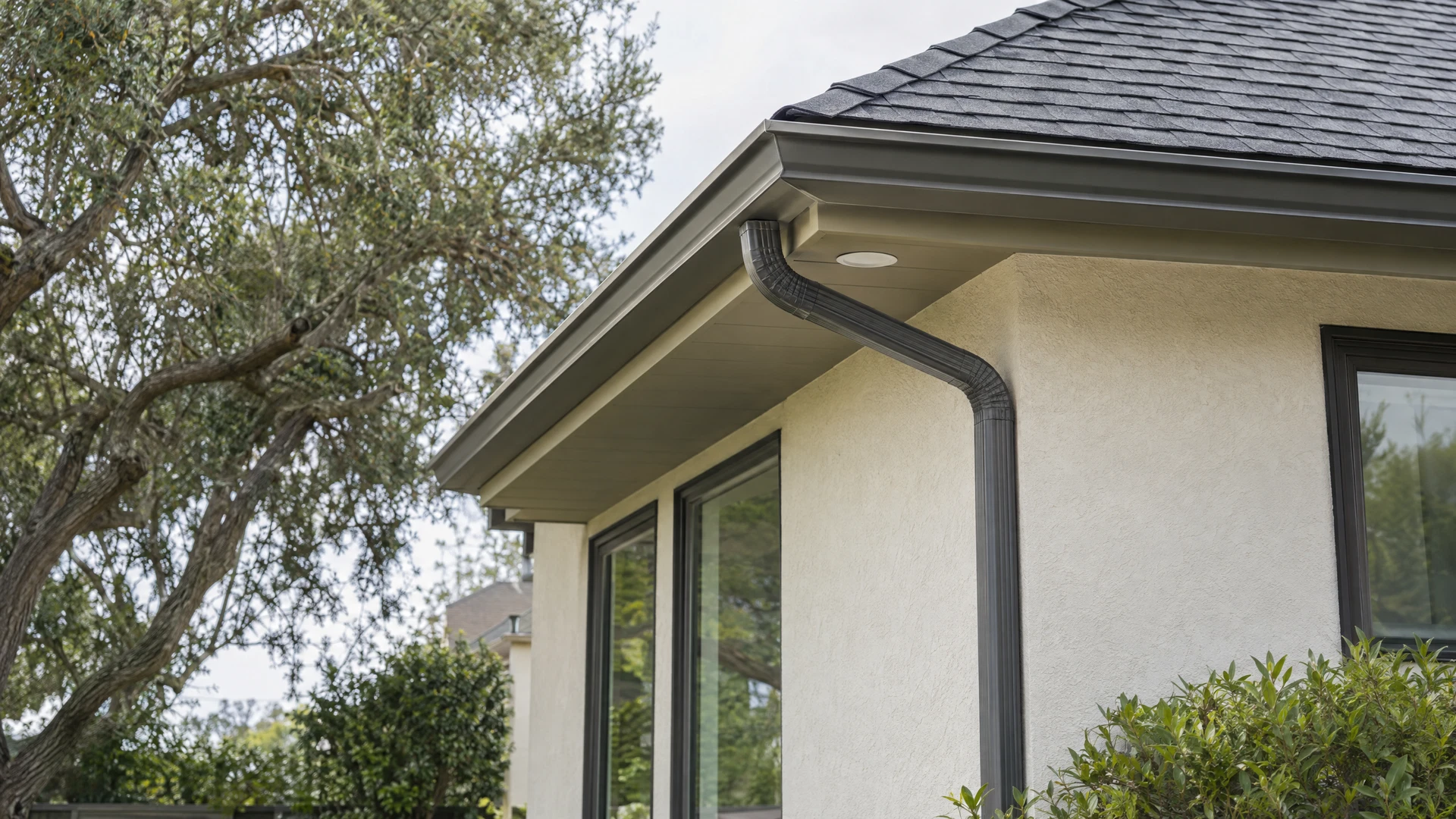
A focused look at the requested systems
Where a four-point format is requested and the work is within the agreed scope, attention is directed to the roof, electrical, plumbing and HVAC systems. The purpose is to record relevant, observable information about those areas for the insurer’s review. This is a limited inspection, not a room-by-room evaluation of every component of the house. Conditions outside the defined scope may not be assessed, and concealed components are not made visible simply because an insurance form is involved.
Access and operating conditions matter. An inspector can only describe what is accessible and observable at the time of the visit, subject to the agreed scope and ordinary inspection limitations. If equipment cannot be operated, a system or area is inaccessible, or a concern needs specialist evaluation, the report should distinguish that limitation from a conclusion about the item’s full condition. The insurer may request more documentation or its own follow-up; an inspection report does not replace those decisions.
Understand the report—and its boundaries
An inspection report is a record of observations, not an insurance policy, underwriting decision or guarantee of future performance. A finding may help an owner understand an observed condition, but the insurer decides whether the information satisfies its requirements and whether it will offer or renew coverage. If the carrier requires a particular form, ask whether it must be completed by a designated professional and whether supporting photographs or other documents are needed before scheduling.
Scot Baker has more than 40 years of construction experience and has completed thousands of property inspections. He is a Certified Master Inspector, InterNACHI certified and, for commercial work, a CCPIA member. That background informs how visible building conditions are considered, but it does not expand an agreed insurance-inspection scope into a full home inspection. Reports are prepared with Scribeware, with written findings and photographs where appropriate; its repair-request-list feature can help organize selected findings, though it does not determine which items an insurer will accept.
Good questions.
Clear answers.
Is an insurance inspection the same as a home inspection?
No. A home inspection generally considers a broader range of accessible components and systems, while an insurance inspection may be limited to the particular systems or form requested by a carrier. Neither should be treated as a guarantee or a substitute for the other. Ask the insurer which one it needs, and confirm the scope before arranging service.
Can you complete the exact form my insurance company supplied?
The form and carrier instructions are essential to deciding whether the requested work is a fit. Send or describe those requirements when you contact Baker Inspection Group; availability and scope can then be discussed. Do not assume that a similarly named inspection automatically meets a carrier’s requirements or that the company can certify information that is concealed or outside the inspection scope.
Will an inspection lower my premium or ensure that I get coverage?
No outcome can be promised. The report documents observed conditions for consideration, but the insurance company decides whether to insure the property, renew a policy, request repairs or apply any rate adjustment. An inspection cannot guarantee a discount, approval or that no future damage will occur.
Your next step
Have the insurer’s written request, property details and any required form available when you call (209) 522-5320 or email [email protected]. Baker Inspection Group can use that information to discuss whether the requested inspection is available and what it would cover.
Arrange your inspection