
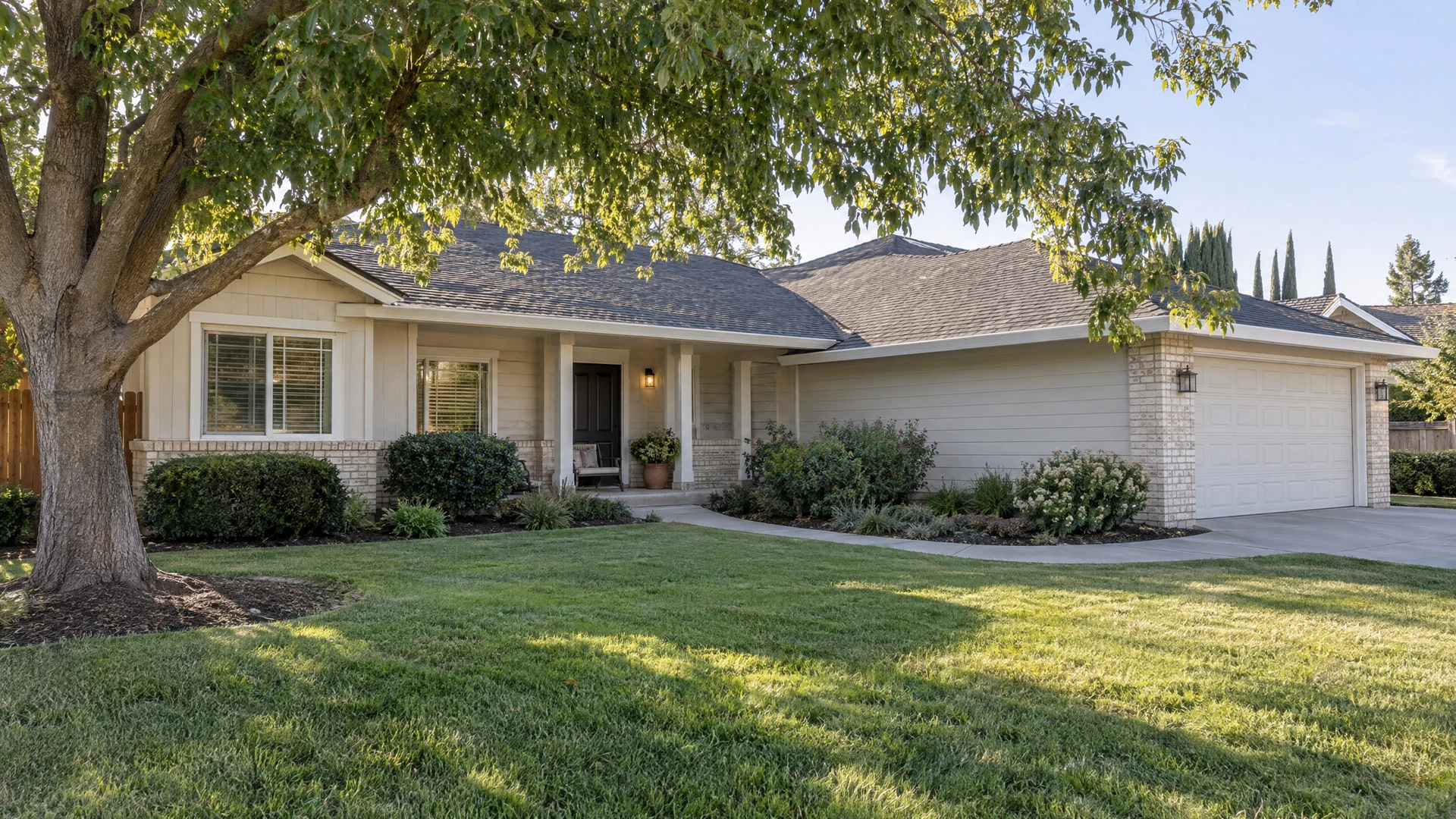
What the inspection can help you understand
The inspection considers accessible, visible components that may include roofing, exterior surfaces, doors and windows, grading and drainage, porches, garages, interiors, attics, crawlspaces, structural components, plumbing, electrical, water heating, and heating and cooling equipment. It is not destructive testing: concealed areas cannot be fully evaluated without access, and restricted access or an inoperable system limits what can be observed.
For a Central Valley home, buyers may want to understand how cooling equipment responds when operated and what roof, attic, and ventilation conditions are visible. Drainage and grading around the structure are also practical maintenance topics. These are areas to examine, not claims that a particular issue exists in Turlock homes. The report records property-specific observations and may identify when a condition merits specialist evaluation.
Useful reporting for decisions and follow-up
Baker Inspection Group uses Scribeware for written findings and photographs. A report should connect a technical observation to the home, helping you understand maintenance considerations and prepare focused questions for a seller, agent, or trade professional. Findings describe observed conditions at the time of inspection; they are not a forecast of future performance.
Scribeware's Create a Request List feature lets clients and agents select report items for a repair-request or addendum PDF. It helps organize discussion but does not determine what another party will do. Scot Baker is available for post-inspection questions about findings and possible next steps. Client information is not sold or shared with outside marketing partners.
Access and tools, used with care
Scot developed the BIGCrawler to document tight crawlspaces that may be difficult or unsafe to enter. Its BarNone version is under approximately six inches tall, with four-wheel steering, a high-clearance chassis, and a 4K pan-and-tilt camera. It can show accessible areas, but cannot reach every concealed space or remove the limits of a visual inspection.
Thermal imaging can flag temperature patterns for closer attention, but it does not see through walls or identify a cause by itself. A drone may help view steep or hard-to-reach roofs when conditions permit safe use. Which tools are appropriate depends on the property and conditions on site; concerns requiring testing or other expertise may need further evaluation.
Good questions.
Clear answers.
Who may find a Turlock home inspection useful?
Buyers may use it to understand observable conditions before making decisions; owners may want a maintenance overview, and sellers may wish to learn about visible conditions before listing. The inspection is not a guarantee or a substitute for specialist testing when a specific concern calls for it.
Can the inspection check inside walls or every part of a crawlspace?
No. A visual inspection does not open walls, and thermal imaging does not see through them. The BIGCrawler may document some tight crawlspace areas, but cannot reach every location. Access and visibility affect what can be examined.
What happens if the report identifies a concern?
The report describes the observed condition and may suggest asking for more information or consulting a qualified specialist. The request-list feature can help organize selected findings, but it does not promise repairs or determine negotiation outcomes.
Your next step
If you are considering a home in Turlock, share the property details and your questions with Baker Inspection Group so the inspection scope can be discussed in advance. Call (209) 522-5320 or email [email protected].
Arrange your inspection