
LOCAL INSPECTION INSIGHTS
Modesto Home Inspection: A Buyer’s Guide to the Whole Property
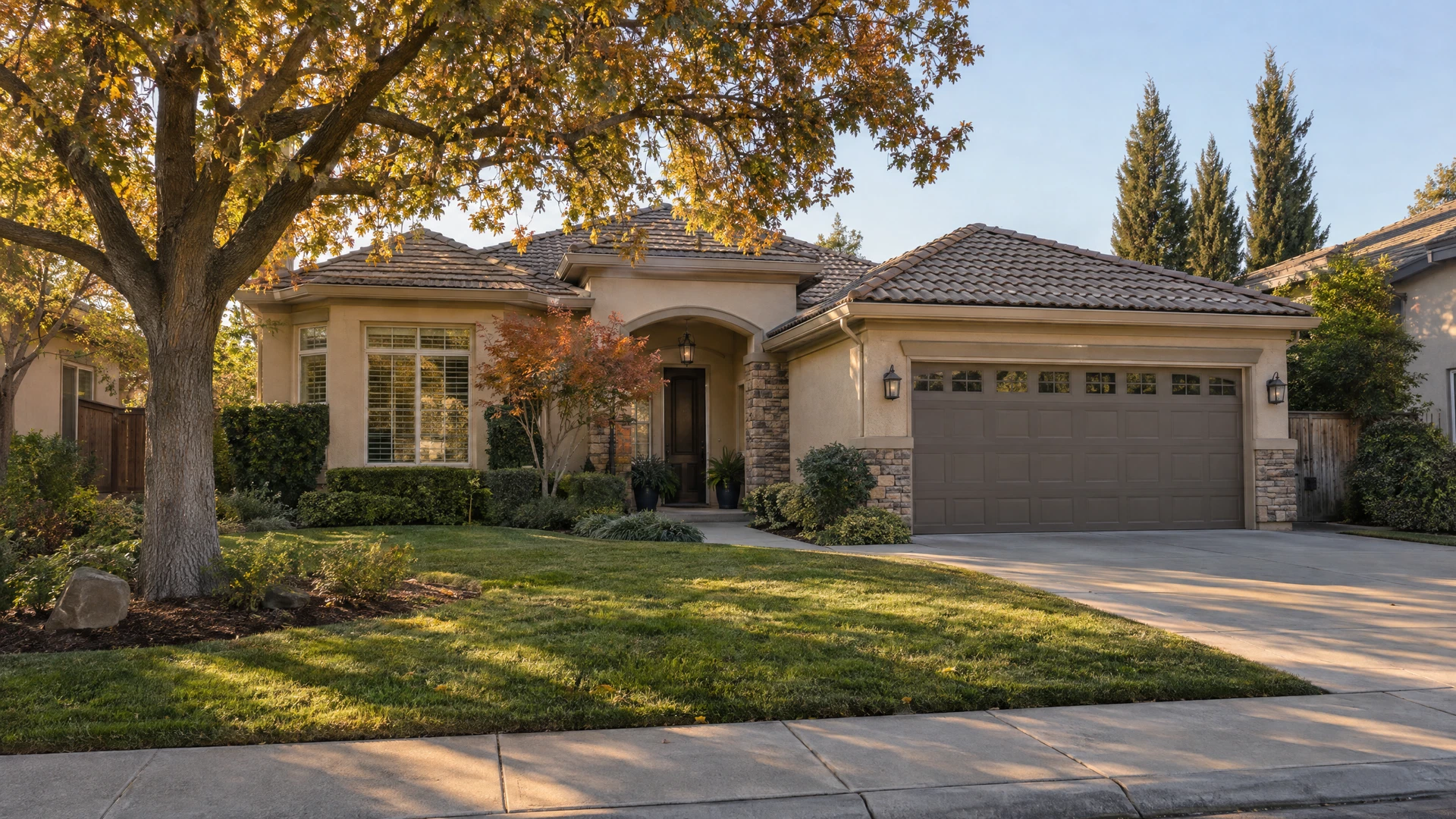
Before contingency deadlines turn attention to a single repair, ask how the whole property will be examined. A Modesto home may look finished on showing day while its drainage, roof, utilities, attic, and under-floor areas reveal a fuller condition story.
An inspection is most useful when you understand its route, access limits, and resulting documentation. Baker Inspection Group conducts a visual, noninvasive review of accessible conditions, giving buyers a practical record for the due-diligence conversations that follow.
Start With the Inspection Boundary
California defines a home inspection as a noninvasive examination of mechanical, electrical, plumbing, structural, and essential components intended to identify material defects. That sets a sensible expectation: the inspector assesses what is observable and accessible that day, not conditions hidden inside walls, beneath finishes, or behind belongings.
Ask how locked rooms, a blocked electrical panel, an inaccessible attic hatch, or an unsafe crawlspace will be handled. A useful report identifies areas that were not inspected and why, so you can separate a documented condition from an unanswered question.
Read the Exterior as a Water-Management System
Begin at the roofline and work down. Visible roof materials, flashing, penetrations, drainage components, wall cladding, windows, doors, walkways, and the ground next to the house deserve a connected look. The key question is whether visible details appear to direct water away from vulnerable building materials.
Ask how the roof will be viewed. Ground observations, a ladder view, and aerial roof access produce different sightlines; weather, pitch, material condition, and safety can limit access. Aerial drone roof access can document otherwise difficult areas, but it is not a roof warranty or a view beneath the covering.
Trace Utilities From Their Entry Points
Inside, follow the systems that make the house work. Plumbing observations may include visible supply and drain piping, fixtures, water heating, and accessible shutoffs. Electrical observations may include accessible service equipment, panels, grounding, overcurrent protection, and a representative selection of installed switches, receptacles, and lighting—not every outlet or future performance.
Ask the inspector to identify main water, fuel, and electrical shutoff locations when available. If a condition needs specialist evaluation, the report should explain what was observed and why further evaluation is appropriate, without pretending to prescribe a repair price.
Connect the Attic, Crawlspace, and Structure
A whole-property review links finished rooms with the spaces that support them. Accessible attic framing, insulation, roof structure, foundation elements, floor structure, and crawlspace observations can add context for stains, uneven surfaces, or visible moisture pathways. They are condition observations, not engineering analysis or a guarantee about concealed framing.
Discuss access directly. Tight or obstructed crawlspaces may limit a person’s entry. When conditions allow, Baker Inspection Group can use its remotely operated, wheeled BIGCrawler for tight crawlspace access; it is not a flying drone. Recommendations for further evaluation are worth pursuing during your contingency period.
Pair Experience With the Right Inspection Tools
Tools matter when they answer a specific question. A thermal image can show temperature patterns that support a closer look at a possible moisture, insulation, or HVAC concern, but it cannot see through walls or identify the cause by itself. Any concern needs context and, when warranted, appropriate confirmation.
Construction experience also helps connect visible components to how a building is assembled. Baker Inspection Group is led by Scot Baker, a Certified Master Inspector and union-trained certified Journeyman Carpenter with more than 40 years of construction experience, including commercial superintendent work. Ask how observations guide the next step, not whether anyone can promise an issue-free purchase.
Expect a Report You Can Use After the Walkthrough
The inspection is temporary; the report should remain useful afterward. Look for clear descriptions, photos or video when included, observed locations and conditions, maintenance notes, accessible utility shutoffs, and equipment ages when available. ASHI’s standard also calls for reporting deficiencies, further-evaluation needs, and present systems that were not inspected with the reason.
Baker Inspection Group uses Scribeware reporting and can provide a Request List repair-request PDF feature. Read the full report, including limitations, before reducing it to transaction questions. Its value is a better-grounded understanding of accessible condition and the follow-up decisions still yours to make.
Explore Baker’s home inspections or schedule your inspection. Questions? Call (209) 522-5320.
Further reading: California Business and Professions Code § 7195 · American Society of Home Inspectors Standard of Practice